Top Core Sampling Equipment for Professionals: Best Core Sampling Tools
- Philix Chen

- Apr 21
- 4 min read
Core sampling is a critical process in many fields such as geology, environmental science, civil engineering, and resource exploration. Accurate and efficient core sampling depends heavily on the quality and suitability of the tools used. In this post, I will walk you through the best core sampling tools available today, focusing on their features, applications, and how to select the right equipment for your specific needs.
Understanding the Best Core Sampling Tools
Choosing the best core sampling tools requires understanding the types of samples you need and the environment in which you will be working. Core sampling tools vary widely, from handheld manual devices to advanced portable drill rigs designed for remote and rugged locations.
Some of the most common types of core sampling tools include:
Handheld core samplers: Ideal for shallow soil and sediment sampling.
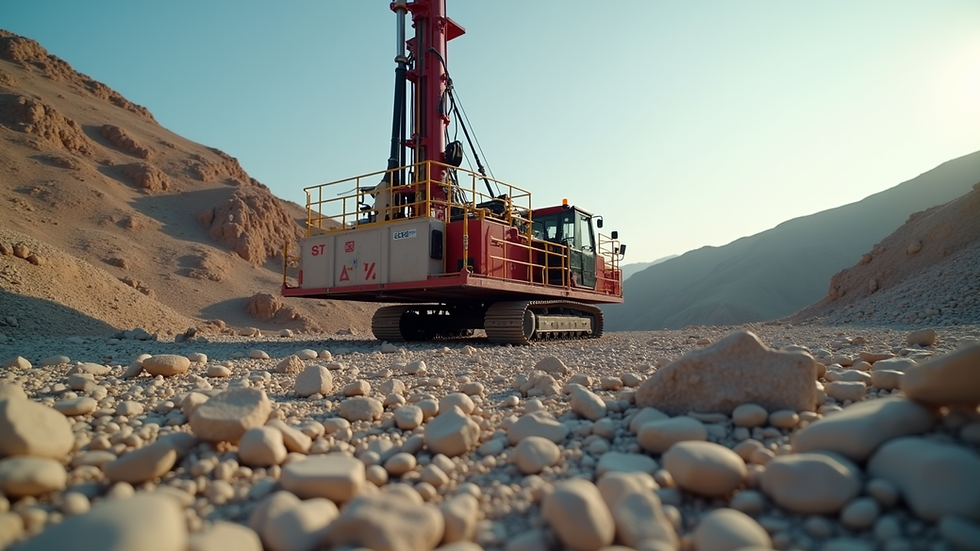
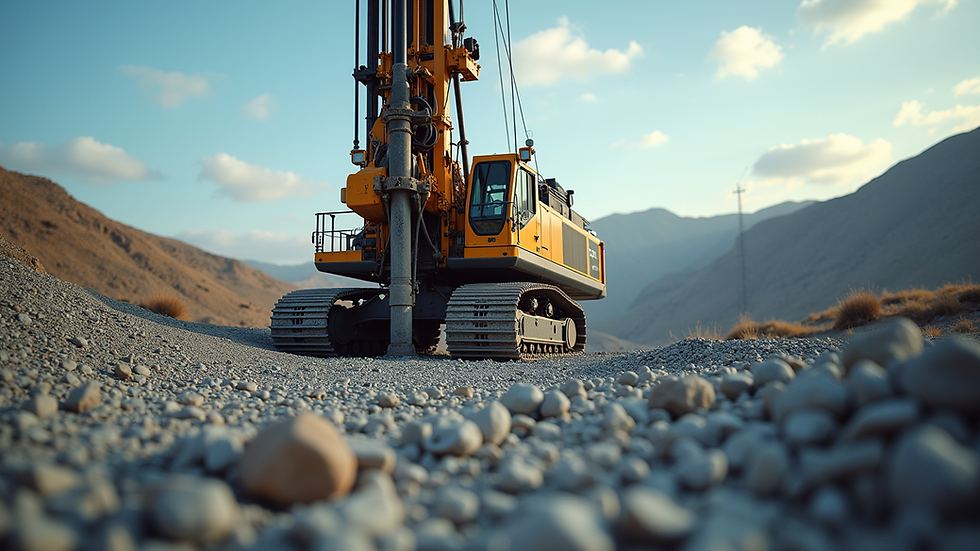
Portable drill rigs: Suitable for deeper sampling in hard-to-reach areas.
Split spoon samplers: Used primarily in geotechnical investigations.
Wireline core barrels: Designed for continuous core recovery in rock formations.
Each tool has its strengths and limitations. For example, handheld samplers are lightweight and easy to use but limited in depth. Portable drill rigs, on the other hand, offer greater depth and precision but require more setup and power.
When selecting tools, consider factors such as sample depth, soil or rock type, portability, and ease of use. This will ensure you get reliable samples that meet your project requirements.

Features to Look for in the Best Core Sampling Tools
When evaluating core sampling equipment, several features stand out as essential for professional use:
Portability
Lightweight and compact tools are crucial for fieldwork, especially in remote or rugged environments. Portable drill rigs that can be carried in a backpack or easily transported by vehicle enhance mobility and reduce setup time.
Durability
Equipment must withstand harsh conditions, including abrasive soils, moisture, and temperature extremes. Materials like stainless steel and reinforced composites improve longevity.
Sample Integrity
The tool should minimize disturbance to the core sample. This is vital for accurate analysis, especially in environmental and geological studies.
Ease of Operation
Simple, intuitive designs reduce operator fatigue and errors. Features like quick-release mechanisms and ergonomic handles improve efficiency.
Versatility
Tools that can handle various soil types and depths without frequent adjustments save time and resources.
Compatibility with Accessories
The ability to use different core barrels, liners, and cutting bits expands the tool’s applicability.
By focusing on these features, you can select core sampling tools that deliver consistent, high-quality results in diverse field conditions.
Types of Core Sampling Equipment and Their Applications
Different projects require different types of core sampling equipment. Here is a breakdown of common tools and their typical uses:
Handheld Soil Core Samplers
These are simple devices used for collecting shallow soil samples, usually up to 12 inches deep. They are ideal for environmental assessments, agricultural studies, and preliminary site investigations.
Advantages: Lightweight, easy to use, low cost.
Limitations: Limited depth, not suitable for rocky or compacted soils.
Portable Backpack Drill Rigs
These rigs are designed for professionals who need to conduct core sampling in remote or confined spaces. They are lightweight yet powerful enough to drill through hard rock and compact soils.
Advantages: High performance, portable, suitable for rugged terrain.
Limitations: Requires some training to operate, higher initial investment.
Split Spoon Samplers
Commonly used in geotechnical engineering, split spoon samplers collect disturbed soil samples during Standard Penetration Tests (SPT). They provide valuable data on soil density and strength.
Advantages: Standardized method, widely accepted in engineering.
Limitations: Disturbs the sample, limited to certain soil types.
Wireline Core Barrels
Used primarily in mineral exploration and geological research, wireline core barrels allow continuous core recovery from deep boreholes. They are often deployed with portable drill rigs.
Advantages: Continuous core, minimal sample disturbance.
Limitations: Complex equipment, requires skilled operation.
Selecting the right tool depends on your project’s depth requirements, soil or rock conditions, and logistical constraints.

How to Maintain and Care for Core Sampling Tools
Proper maintenance extends the life of your core sampling equipment and ensures reliable performance. Here are some practical tips:
Clean after each use: Remove soil, debris, and moisture to prevent corrosion and damage.
Inspect regularly: Check for wear, cracks, or bent parts, especially in cutting edges and barrels.
Lubricate moving parts: Use appropriate lubricants to keep mechanisms smooth.
Store properly: Keep tools in dry, secure locations to avoid exposure to harsh elements.
Replace worn components: Timely replacement of liners, bits, and seals maintains sample quality.
Routine maintenance not only protects your investment but also reduces downtime during critical field operations.
Choosing the Right Core Sampling Equipment for Your Needs
Selecting the best core sampling tools involves balancing several factors:
Project scope: Define the depth and type of samples required.
Field conditions: Consider terrain, accessibility, and environmental factors.
Budget: Evaluate initial costs against long-term value and durability.
Operator skill level: Choose equipment that matches the expertise of your team.
Portability needs: Prioritize lightweight and compact designs for remote work.
I recommend starting with a clear project plan and consulting with equipment providers to match tools to your specific requirements. Investing in high-quality, reliable core sampling equipment will improve data accuracy and operational efficiency.
For those interested, I suggest exploring core sampling equipment options that combine portability with high performance, especially for challenging environments.
Enhancing Field Efficiency with Advanced Core Sampling Tools
Modern advancements have led to the development of core sampling tools that significantly improve field efficiency. Features such as battery-powered drill rigs, modular components, and digital data integration are becoming standard.
Battery-powered rigs eliminate the need for external power sources, enabling longer field sessions.
Modular designs allow quick swapping of parts to adapt to different soil conditions.
Digital integration with GPS and data logging enhances sample tracking and analysis.
Adopting these technologies can reduce field time, improve sample quality, and streamline data management.
By carefully selecting and maintaining the best core sampling tools, professionals can achieve accurate, reliable results in their fieldwork. Whether working in remote locations or confined spaces, the right equipment makes all the difference in successful core sampling operations.

Comments