Optimizing Applications for Drilling Rigs: Practical Insights for Rig Use Cases
- Philix Chen

- Apr 29
- 4 min read
When working with drilling rigs, efficiency and precision are paramount. Optimizing the use of these machines can significantly improve project outcomes, reduce costs, and enhance safety. In this post, I will share practical steps and considerations for optimizing drilling rig applications, focusing on real-world rig use cases. Whether you are conducting geological surveys, environmental sampling, or civil engineering projects, understanding how to tailor your rig’s operation to the task at hand is essential.
Understanding Rig Use Cases for Better Application
Drilling rigs serve a variety of purposes across multiple industries. Each use case demands specific configurations and operational strategies. For example, in geological research, the priority is often on obtaining uncontaminated core samples with minimal disturbance. Environmental scientists may focus on shallow drilling to monitor soil and groundwater conditions. Civil engineers might require rigs capable of drilling boreholes for foundation testing or soil stabilization.
To optimize rig use cases effectively, start by clearly defining the project goals. Ask yourself:
What depth and diameter of borehole are required?
What type of material will the rig encounter (rock, soil, sediment)?
Are there environmental or site constraints such as limited space or difficult terrain?
What data or samples need to be collected?
Answering these questions helps in selecting the right rig and accessories, as well as planning the drilling method and parameters.
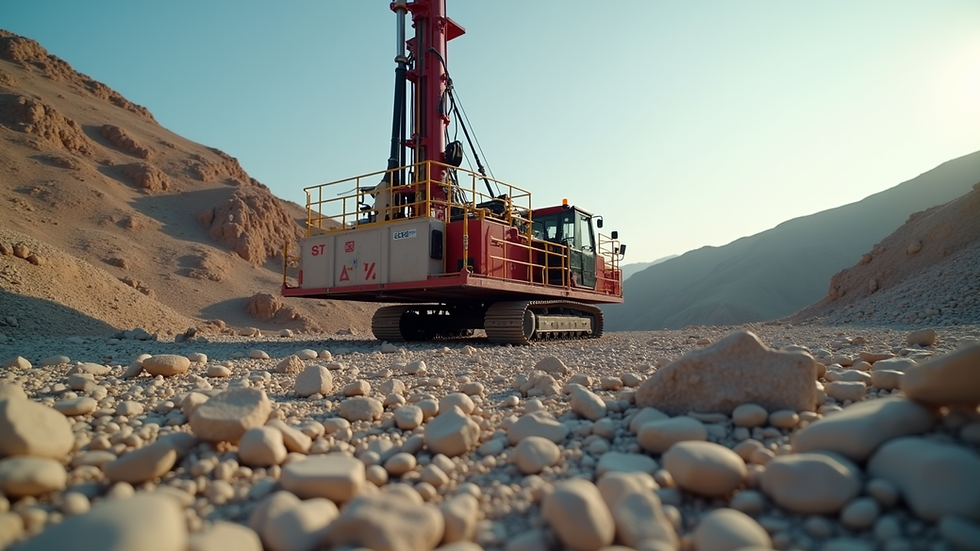
Key Factors to Optimize Drilling Rig Performance
Optimizing drilling rig performance involves several technical and operational factors. Here are the most critical ones to consider:
Rig Selection and Configuration
Choose a rig that matches the project requirements. Portable backpack drill rigs, for example, are ideal for remote or confined locations where larger rigs cannot operate. Ensure the rig’s power, weight, and drilling capacity align with the expected conditions.
Drill Bit and Tooling
Selecting the correct drill bit type and size is crucial. Use bits designed for the specific ground conditions to maximize penetration rate and minimize wear. Regularly inspect and replace worn bits to maintain efficiency.
Drilling Parameters
Adjust parameters such as rotation speed, feed pressure, and flushing fluid flow to optimize drilling speed and sample quality. For instance, slower rotation with steady feed pressure often yields better core samples in hard rock.
Sample Handling and Preservation
Properly handle and store samples immediately after extraction to prevent contamination or degradation. Use clean containers and label samples accurately.
Maintenance and Calibration
Regular maintenance of the rig and calibration of sensors and instruments ensure consistent performance and reduce downtime.
By focusing on these factors, you can improve drilling accuracy, reduce operational costs, and extend equipment life.
What are the three main types of drilling rigs?
Understanding the main types of drilling rigs helps in selecting the right equipment for your project. The three primary categories are:
Rotary Drilling Rigs
These rigs use a rotating drill bit to cut through rock or soil. They are versatile and commonly used in oil, gas, and mineral exploration. Rotary rigs can be large or portable depending on the application.
Percussion Drilling Rigs
Also known as cable tool rigs, these use a hammering action to break rock. They are effective in hard rock formations but generally slower than rotary rigs. Percussion rigs are often used for water well drilling.
Auger Drilling Rigs
Auger rigs use a helical screw blade to remove soil or soft rock. They are suitable for shallow drilling and environmental sampling. Auger rigs are lightweight and easy to transport.
Each type has advantages and limitations. Selecting the appropriate rig type based on the project’s geological and logistical conditions is a key step in optimization.

Practical Steps to Enhance Drilling Efficiency
Improving drilling efficiency requires a combination of planning, technology, and skilled operation. Here are actionable recommendations:
Pre-Drilling Site Assessment
Conduct a thorough site survey to identify obstacles, soil types, and access routes. This reduces unexpected delays and equipment damage.
Use of Advanced Monitoring Tools
Integrate sensors and data logging systems to monitor drilling parameters in real time. This allows for immediate adjustments and better quality control.
Training and Skill Development
Ensure operators are well-trained in rig operation and troubleshooting. Skilled personnel can optimize drilling speed and sample integrity.
Implement Standard Operating Procedures (SOPs)
Develop and follow SOPs for rig setup, drilling, sample handling, and maintenance. Consistency improves safety and efficiency.
Optimize Logistics and Support
Plan for timely delivery of consumables, spare parts, and support personnel. Minimizing downtime is critical in remote locations.
By applying these steps, you can maximize the productivity of your drilling rig and ensure reliable results.
Leveraging Technology in Drilling Rig Applications
Modern technology plays a vital role in optimizing drilling rig applications. Innovations such as lightweight materials, automated controls, and remote monitoring have transformed rig use cases.
Lightweight Portable Rigs
Advances in materials and design have produced rigs that are easy to transport and set up in rugged terrain. These rigs enable access to previously unreachable sites.
Automation and Remote Operation
Automated drilling controls improve precision and reduce human error. Remote operation capabilities allow for safer drilling in hazardous environments.
Data Integration and Analysis
Digital data collection and cloud-based analysis tools help in making informed decisions quickly. This is especially useful for geological and environmental projects requiring detailed records.
Sustainable Practices
New technologies also focus on reducing environmental impact, such as using biodegradable drilling fluids and minimizing site disturbance.
Incorporating these technologies into your drilling rig use cases can enhance performance and support sustainable exploration efforts.
Final Thoughts on Optimizing Drilling Rig Use Cases
Optimizing drilling rig applications requires a comprehensive approach that includes selecting the right equipment, fine-tuning operational parameters, and leveraging modern technology. By understanding the specific needs of each project and applying best practices, you can achieve accurate sampling, efficient drilling, and safer operations.
For those involved in geological research, environmental studies, or civil engineering, investing time in rig optimization pays off in better data quality and project success. I encourage you to continuously evaluate your drilling processes and adopt innovations that align with your goals.
For more detailed information on drilling rig applications, exploring specialized resources and manufacturer guidelines can provide additional insights tailored to your specific needs.


Comments