Effective Core Sampling Techniques: Sampling Technique Insights for Precise Results
- Philix Chen

- Apr 29
- 4 min read
Core sampling is a fundamental process in geological and environmental studies, civil engineering, and resource exploration. It involves extracting a cylindrical section of material from the earth to analyze its composition, structure, and properties. Achieving precise results depends heavily on the techniques used during sampling. In this post, I will share detailed insights into effective core sampling methods, focusing on practical steps and considerations to ensure accuracy and reliability.
Understanding Sampling Technique Insights for Accurate Core Extraction
Before diving into specific methods, it is essential to understand the principles behind effective sampling. The goal is to obtain a representative sample that reflects the true characteristics of the subsurface material. This requires careful planning, appropriate equipment, and adherence to standardized procedures.
Key factors influencing sampling quality include:
Sample integrity: Avoiding contamination or alteration during extraction.
Sample size and depth: Ensuring the core length and diameter meet analysis requirements.
Site conditions: Adapting techniques to soil type, rock hardness, and environmental constraints.
Equipment selection: Using tools suited for the terrain and sample type.
By focusing on these elements, I can minimize errors and improve the reliability of the data collected.
Essential Equipment and Preparation for Core Sampling
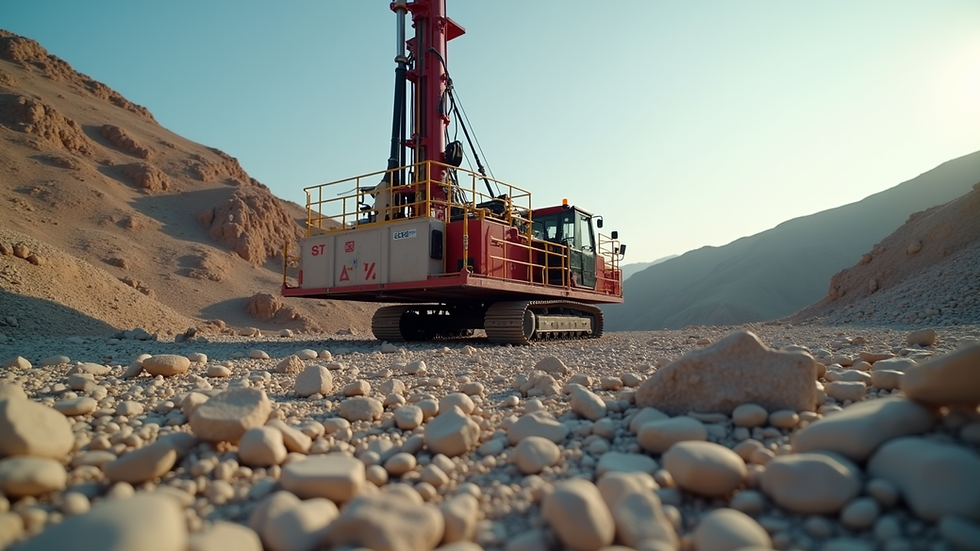
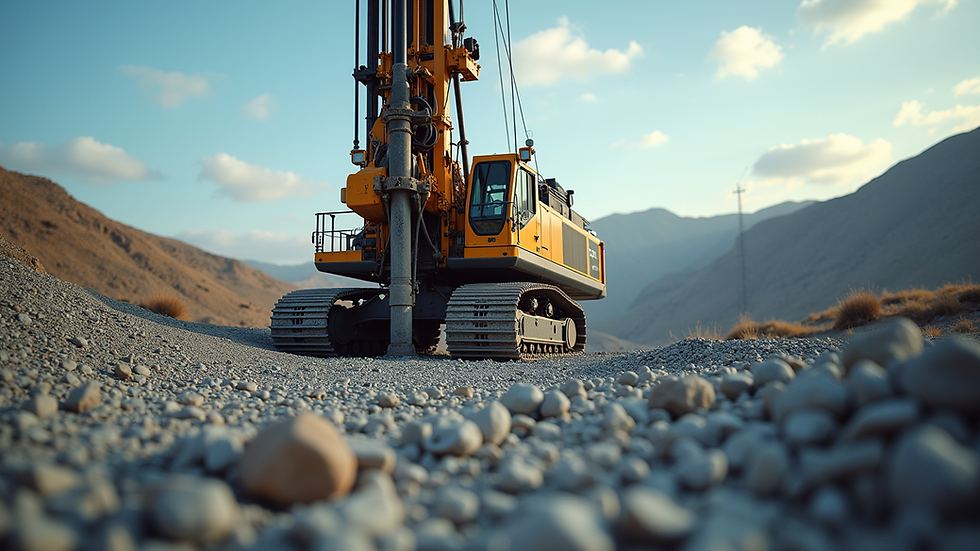
Selecting the right equipment is crucial for successful core sampling. Portable exploration backpack drill rigs have become increasingly popular due to their lightweight design and high performance, especially in remote or rugged locations.
Equipment essentials include:
Drill rig: Choose a rig capable of reaching the required depth and handling the substrate hardness.
Core barrels: These cylindrical tubes capture the core sample. They come in various sizes and materials depending on the project.
Drill bits: Diamond or tungsten carbide bits are common for hard rock, while softer soils may require different types.
Sample preservation tools: Containers, labels, and sealing materials to protect the core during transport.
Safety gear: Helmets, gloves, and eye protection to ensure operator safety.
Preparation also involves site assessment, marking sampling points, and calibrating equipment. I always conduct a preliminary survey to identify potential obstacles and optimize the drilling plan.

What is an example of a core sample?
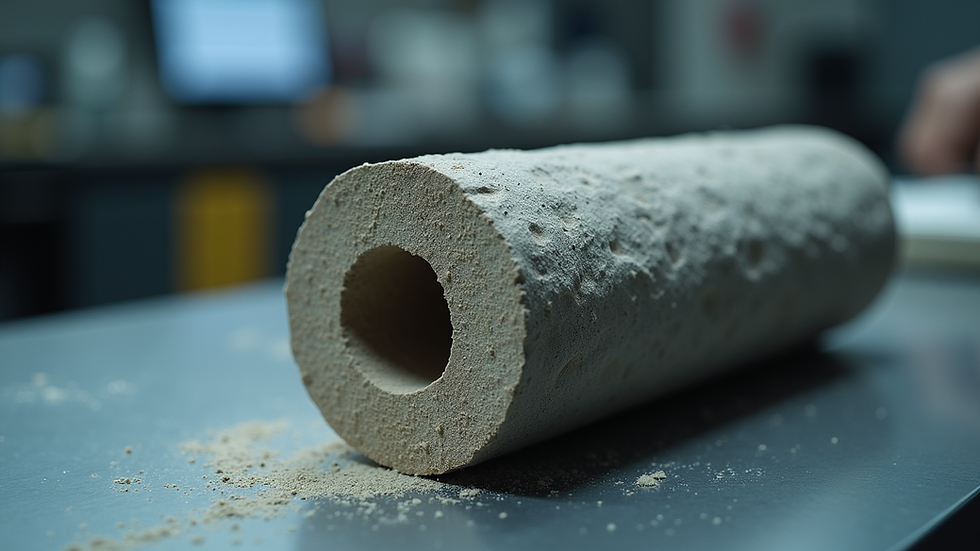
A core sample typically appears as a cylindrical section of earth material extracted intact from the subsurface. For example, in geological exploration, a core sample might consist of layered rock strata showing variations in mineral content, fractures, and sediment composition. This physical record allows detailed analysis of the geological history and resource potential.
In environmental studies, a soil core sample can reveal contamination levels, moisture content, and organic matter distribution. The sample is carefully extracted to preserve the vertical profile, enabling accurate assessment of pollutant migration or soil health.
In civil engineering, core samples from concrete or asphalt provide insight into material strength and durability, guiding maintenance and construction decisions.
These examples illustrate the versatility and importance of core samples across disciplines.
Step-by-Step Guide to Effective Core Sampling Techniques
To achieve precise results, I follow a systematic approach during core sampling:
1. Site Selection and Planning
Identify sampling locations based on project goals and geological maps.
Consider accessibility, safety, and environmental impact.
Obtain necessary permits and approvals.
2. Equipment Setup
Assemble and inspect the drill rig and accessories.
Calibrate instruments and verify core barrel integrity.
Prepare sample containers and labeling materials.
3. Drilling and Core Extraction
Begin drilling at a controlled speed to minimize core disturbance.
Use appropriate drilling fluid or air to clear cuttings without damaging the core.
Extract the core barrel carefully to avoid breaking or compressing the sample.
Record depth and conditions at each interval.
4. Sample Handling and Preservation
Remove the core from the barrel gently.
Photograph and document the core immediately.
Wrap and seal the core to prevent moisture loss or contamination.
Store samples in a stable environment until analysis.
5. Data Recording and Reporting
Maintain detailed logs of drilling parameters, sample descriptions, and site conditions.
Use standardized forms and digital tools for accuracy.
Share data promptly with laboratory analysts.
Following these steps ensures that the core samples collected are representative and suitable for precise analysis.
Common Challenges and How to Overcome Them
Core sampling can present several challenges that affect sample quality. Here are some common issues and practical solutions:
Core loss or fragmentation: Use appropriate drilling speed and bit type. Employ core catchers to retain broken pieces.
Contamination: Clean equipment between samples. Use liners inside core barrels if necessary.
Difficult terrain: Utilize portable, lightweight rigs designed for confined or rugged environments.
Sample disturbance: Minimize handling and avoid excessive vibration during transport.
Inaccurate depth recording: Use calibrated depth counters and cross-check with visual markers.
By anticipating these challenges and preparing accordingly, I can maintain the integrity of the sampling process.
Enhancing Precision with Modern Technologies
Advancements in drilling technology and data management have improved core sampling precision. Some innovations include:
Portable exploration backpack drill rigs: These rigs combine mobility with power, enabling sampling in previously inaccessible areas.
Digital logging systems: Real-time data capture reduces errors and speeds up reporting.
Geophysical tools: Ground-penetrating radar and other sensors help target sampling zones more accurately.
Sample preservation techniques: Vacuum sealing and temperature control maintain sample quality during transport.
Incorporating these technologies into the sampling workflow enhances efficiency and data reliability.
Final Thoughts on Achieving Reliable Core Sampling Results
Effective core sampling requires a blend of proper technique, suitable equipment, and careful planning. By adhering to best practices and continuously refining methods, I can ensure that the samples collected provide accurate and actionable information.
Whether working in remote locations or challenging environments, leveraging lightweight, high-performance drilling solutions is key to success. This approach supports detailed geological research, environmental assessments, and resource exploration with confidence.
For those interested in learning more about core sampling techniques, exploring specialized equipment options and training resources is a valuable next step. Precision in sampling translates directly into better decision-making and project outcomes.

Comments