Core Sampling Methods Guide: Techniques and Applications
- Philix Chen

- 1 day ago
- 4 min read
Core sampling is a fundamental process in many fields such as geology, environmental science, and civil engineering. It involves extracting a cylindrical section of material from the earth or other solid substances to analyze its composition, structure, and properties. This guide will walk you through the essential techniques and applications of core sampling, providing practical insights for professionals working in challenging environments.
Understanding Core Sampling Methods Guide
Core sampling methods vary depending on the material being sampled, the depth required, and the purpose of the analysis. The goal is to obtain an undisturbed sample that accurately represents the subsurface conditions. Common techniques include rotary drilling, percussion drilling, and wireline coring. Each method has its advantages and limitations, which I will explain in detail.
Rotary drilling uses a rotating drill bit to cut through rock or soil, often combined with drilling fluid to remove cuttings. This method is efficient for deep sampling but may cause some disturbance to the core. Percussion drilling involves repeated hammering to break the material, suitable for hard rock but less precise in maintaining core integrity. Wireline coring allows the core barrel to be retrieved without removing the entire drill string, minimizing sample disturbance and speeding up the process.
Selecting the right method depends on factors such as the geological conditions, sample size, and the level of detail required for analysis. For example, environmental scientists may prefer wireline coring for delicate sediment layers, while civil engineers might use rotary drilling for foundation assessments.

Equipment and Tools Used in Core Sampling
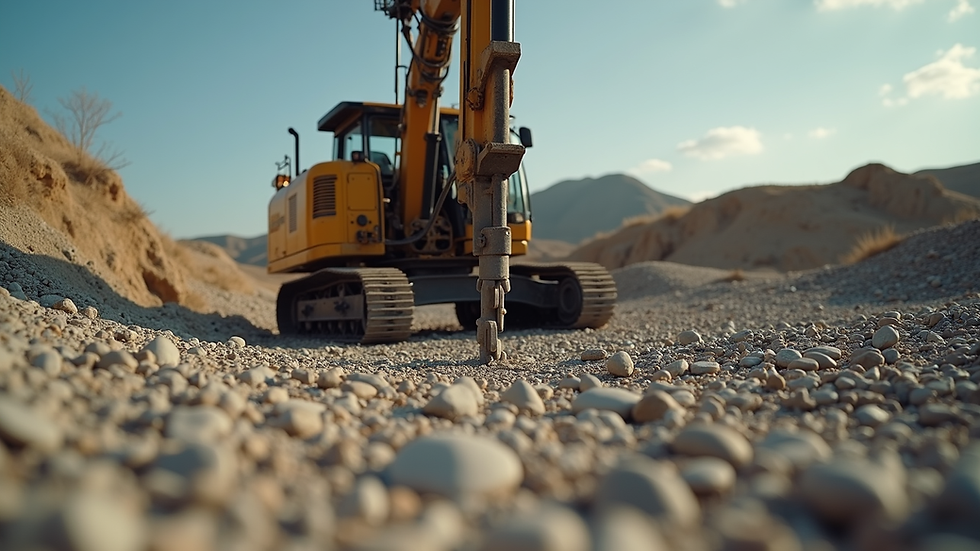
The success of core sampling relies heavily on the equipment used. Portable exploration backpack drill rigs have become increasingly popular due to their lightweight design and high performance. These rigs enable sampling in remote and rugged locations where traditional heavy machinery cannot operate efficiently.
Key components of a core sampling setup include:
Drill rig: The main machine that powers the drilling process.
Core barrel: A hollow tube that collects the core sample.
Drill bits: Various types designed for different materials, such as diamond-tipped bits for hard rock.
Drilling fluid system: Used to cool the drill bit and remove debris.
Sample handling tools: Devices for extracting, labeling, and preserving the core.
Proper maintenance and calibration of equipment are essential to ensure accurate sampling and prevent contamination. I recommend routine checks before and after each field operation.
How to Collect Core Samples?
Collecting core samples requires a systematic approach to maintain sample integrity and ensure reliable data. Here is a step-by-step process I follow:
Site preparation: Clear the sampling area and set up the drill rig securely.
Drill setup: Select the appropriate drill bit and core barrel based on the target material.
Drilling: Begin drilling at a controlled speed, monitoring the drill’s performance and core recovery rate.
Core retrieval: Use wireline or manual extraction methods to remove the core barrel carefully.
Sample handling: Extract the core from the barrel, measure its length, and document its characteristics.
Preservation: Store the core in labeled containers or core boxes to prevent damage or contamination.
Transport: Ensure samples are transported under conditions that maintain their original state.
During drilling, it is crucial to record detailed logs, including depth intervals, drilling parameters, and any anomalies encountered. This documentation supports accurate interpretation and reporting.

Applications of Core Sampling in Various Fields
Core sampling serves multiple purposes across different disciplines. Here are some key applications:
Geological exploration: Identifying mineral deposits, rock types, and structural features.
Environmental studies: Assessing soil contamination, sediment layers, and groundwater conditions.
Civil engineering: Evaluating soil stability, foundation conditions, and construction materials.
Research: Studying paleoclimate records, sedimentation rates, and geological history.
Resource exploration: Locating oil, gas, and groundwater reserves.
Each application demands specific sampling strategies and analytical techniques. For instance, environmental scientists may focus on detecting pollutants within soil cores, while geologists analyze mineral content and rock fabric.
Best Practices for Accurate Core Sampling
To maximize the quality and usefulness of core samples, I recommend adhering to these best practices:
Plan thoroughly: Understand the site conditions and sampling objectives before starting.
Use appropriate equipment: Match the drill rig and tools to the material and depth requirements.
Maintain sample integrity: Minimize disturbance during drilling and handling.
Document meticulously: Keep detailed records of all procedures and observations.
Train personnel: Ensure operators are skilled in core sampling techniques and safety protocols.
Follow safety guidelines: Use protective gear and follow environmental regulations.
By following these guidelines, professionals can obtain reliable data that supports sound decision-making in exploration, construction, and environmental management.
Enhancing Field Operations with Portable Drill Rigs
The development of portable exploration backpack drill rigs has revolutionized core sampling in remote and difficult-to-access areas. These rigs combine mobility with high performance, allowing for efficient sampling without the need for heavy machinery or extensive logistics.
Advantages include:
Lightweight design: Easy to transport by foot or vehicle.
Versatility: Suitable for various terrains and materials.
Quick setup: Reduces downtime and increases productivity.
Precision: Maintains core quality even in challenging conditions.
Investing in such equipment aligns with the goal of advancing geological research and environmental studies worldwide. It empowers professionals to collect accurate data that drives innovation and sustainable resource management.
This guide has outlined the essential techniques and applications of core sampling, emphasizing practical steps and equipment considerations. By mastering these methods, professionals can enhance their fieldwork and contribute valuable insights to their respective disciplines.


Comments