Core Sampling Methods Guide: Techniques and Applications
- Philix Chen

- Feb 26
- 4 min read
Core sampling is a fundamental process in many fields such as geology, environmental science, and civil engineering. It involves extracting a cylindrical section of material from the earth or other solid media to analyze its composition, structure, and properties. This guide will walk you through the essential techniques and applications of core sampling, providing practical insights for professionals working in challenging environments.
Understanding Core Sampling Methods Guide
Core sampling methods vary depending on the material being sampled, the depth required, and the purpose of the investigation. The goal is to obtain an undisturbed sample that accurately represents the subsurface conditions. Common techniques include rotary drilling, percussion drilling, and wireline coring. Each method has its advantages and limitations, which I will explain in detail.
Rotary drilling uses a rotating drill bit to cut through rock or soil. It is effective for deep sampling and hard formations. Percussion drilling involves repeated hammering to break the material, suitable for softer or unconsolidated layers. Wireline coring allows the core barrel to be retrieved without removing the entire drill string, saving time and preserving sample integrity.
Selecting the right method depends on factors such as the geological setting, sample size, and equipment availability. For example, in remote or rugged locations, lightweight portable rigs are preferred to facilitate transport and setup. This is where specialized equipment like portable exploration backpack drill rigs becomes invaluable.
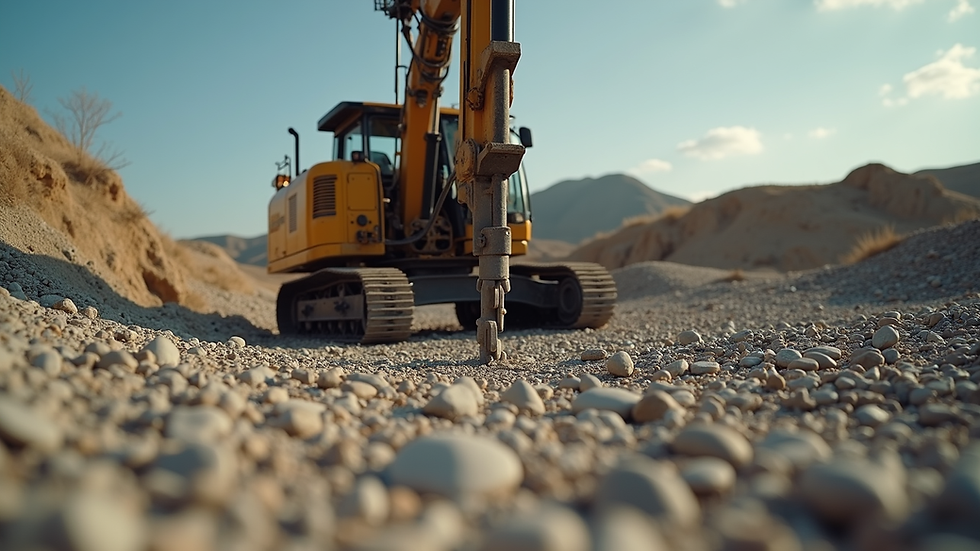
Types of Core Sampling Techniques
There are several core sampling techniques tailored to different materials and objectives. Here are the most widely used:
Diamond Core Drilling
This technique uses a diamond-impregnated drill bit to cut through hard rock. It produces high-quality cores with minimal disturbance, ideal for mineral exploration and geological mapping.
Auger Drilling
Auger drilling employs a helical screw blade to bring soil or soft rock samples to the surface. It is commonly used for shallow investigations and environmental sampling.
Percussion Drilling
This method uses a heavy drill bit that is repeatedly lifted and dropped to crush the material. It is effective in unconsolidated sediments and soft rock formations.
Rotary Air Blast (RAB) Drilling
RAB drilling uses compressed air to remove cuttings from the hole. It is a fast and cost-effective method for preliminary exploration but produces less intact cores.
Wireline Coring
Wireline coring allows the core barrel to be retrieved through a wireline cable without removing the drill string. This technique is efficient for deep drilling and reduces sample contamination.
Each technique requires specific equipment and expertise. Understanding their applications helps in planning efficient sampling campaigns and obtaining reliable data.
How to Collect Core Samples?
Collecting core samples involves a series of carefully planned steps to ensure sample quality and safety. Here is a step-by-step guide:
Site Preparation
Clear the sampling area of debris and vegetation. Mark the exact location for drilling based on geological surveys or environmental assessments.
Equipment Setup
Assemble the drilling rig according to manufacturer instructions. Ensure all safety checks are completed, including securing the rig and verifying power sources.
Drilling Process
Begin drilling at a slow speed to penetrate the surface. Adjust drilling parameters such as rotation speed, feed pressure, and flushing fluid flow to optimize core recovery.
Core Retrieval
Once the desired depth is reached, retrieve the core barrel carefully. For wireline coring, use the cable to bring the barrel to the surface without disturbing the drill string.
Sample Handling
Extract the core from the barrel gently to avoid breaking or contaminating the sample. Label each core section with depth and location information.
Storage and Transport
Store cores in protective tubes or boxes to prevent damage. Transport samples to the laboratory promptly, maintaining appropriate environmental conditions.
Documentation
Record all relevant data including drilling parameters, core recovery rates, and observations about the sample condition.
Following these steps ensures that the core samples accurately represent the subsurface conditions and are suitable for detailed analysis.

Applications of Core Sampling in Various Fields
Core sampling has diverse applications across multiple disciplines. Here are some key examples:
Geological Exploration
Core samples provide direct information about rock types, mineral content, and structural features. This data is crucial for identifying mineral deposits and assessing resource potential.
Environmental Studies
Sampling soil and sediment cores helps detect contamination, monitor pollution levels, and study historical environmental changes. It supports remediation planning and regulatory compliance.
Civil Engineering
Engineers use core samples to evaluate soil stability, bearing capacity, and groundwater conditions before construction. This information guides foundation design and risk assessment.
Hydrogeology
Core samples reveal aquifer properties and groundwater flow patterns. They assist in water resource management and contamination control.
Paleoclimatology and Archaeology
Sediment cores contain records of past climate conditions and human activity. Analyzing these cores helps reconstruct environmental history and cultural development.
Each application demands specific sampling strategies and analytical techniques. Understanding these requirements enables professionals to tailor their approach and achieve accurate results.
Selecting the Right Equipment for Core Sampling
Choosing the appropriate equipment is critical for successful core sampling, especially in remote or difficult-to-access locations. Portable exploration backpack drill rigs offer several advantages:
Lightweight and Compact
Easy to transport by foot or vehicle, reducing logistical challenges.
High Performance
Capable of drilling to significant depths with reliable core recovery.
Versatile
Suitable for various drilling methods including diamond and rotary coring.
User-Friendly
Designed for quick setup and operation by small teams.
When selecting equipment, consider factors such as drilling depth, sample diameter, power source, and terrain conditions. Investing in quality gear improves efficiency and data quality, ultimately supporting better decision-making.
Enhancing Core Sampling Accuracy and Efficiency
To maximize the value of core sampling efforts, I recommend the following best practices:
Pre-Drilling Surveys
Conduct geophysical or geochemical surveys to identify optimal drilling locations.
Regular Equipment Maintenance
Keep drill rigs and accessories in good condition to prevent breakdowns and ensure consistent performance.
Training and Safety
Ensure operators are well-trained in drilling techniques and safety protocols.
Sample Preservation
Use appropriate containers and storage conditions to maintain sample integrity.
Data Management
Implement systematic recording and tracking of samples and associated metadata.
By adhering to these guidelines, professionals can improve the reliability of their core sampling projects and reduce operational risks.
Core sampling is a vital tool for understanding subsurface conditions across many industries. With the right techniques, equipment, and procedures, it is possible to obtain high-quality samples that support accurate analysis and informed decision-making. Whether working in remote wilderness or urban sites, leveraging advanced portable drilling solutions can enhance both the efficiency and effectiveness of core sampling operations.
For more detailed information on core sampling methods, I encourage you to explore specialized resources and equipment providers who focus on delivering innovative solutions tailored to field professionals' needs.


Comments