Understanding Drilling Environmental Effects: A Comprehensive Overview
- Philix Chen

- Jul 10
- 4 min read
Drilling plays a crucial role in resource exploration and extraction, providing access to minerals, oil, and gas that fuel industries and economies worldwide. However, the process of drilling also carries significant environmental considerations. In this article, I will explore the various aspects of drilling environmental effects, offering clear explanations and practical insights. This information is essential for professionals involved in geological research, environmental science, and engineering disciplines who seek to balance operational success with environmental stewardship.
The Basics of Drilling Environmental Effects
Drilling environmental effects refer to the range of impacts that drilling activities can have on the natural environment. These effects vary depending on the drilling method, location, and the type of resource being extracted. Common drilling methods include rotary drilling, percussion drilling, and core sampling, each with distinct environmental footprints.
Some of the primary environmental concerns related to drilling include:
Soil disturbance and erosion: Drilling operations often require clearing vegetation and disturbing soil layers, which can lead to erosion and habitat loss.
Water contamination: Drilling fluids and chemicals may seep into groundwater or surface water, posing risks to aquatic ecosystems and drinking water sources.
Air pollution: Emissions from drilling equipment and the release of volatile organic compounds (VOCs) can degrade air quality.
Noise pollution: The operation of heavy machinery generates noise that can disrupt wildlife and nearby communities.
Waste generation: Drilling produces cuttings, mud, and other waste materials that require proper disposal to avoid environmental harm.
Understanding these effects is the first step toward implementing responsible drilling practices that minimize environmental damage.
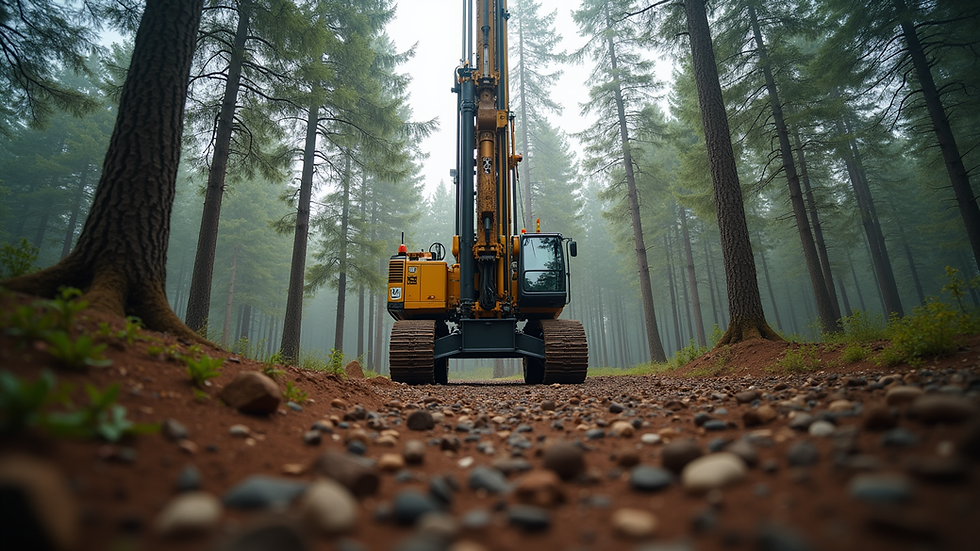
Key Drilling Environmental Effects and Their Management
Addressing drilling environmental effects requires a systematic approach that includes planning, monitoring, and mitigation. Here are some of the most significant effects and practical strategies to manage them:
Soil and Vegetation Impact
Drilling sites often involve clearing land, which can lead to soil compaction and loss of vegetation cover. This disturbance affects soil structure and increases vulnerability to erosion.
Management strategies:
Conduct environmental impact assessments before site selection.
Use minimal clearing techniques and preserve topsoil for restoration.
Implement erosion control measures such as silt fences and sediment traps.
Rehabilitate sites post-drilling by replanting native vegetation.
Water Resource Protection
Water contamination is a critical concern, especially when drilling near aquifers or surface water bodies. Drilling fluids, hydrocarbons, and heavy metals can infiltrate water sources if not properly contained.
Management strategies:
Use non-toxic, biodegradable drilling fluids where possible.
Install liners and containment systems around drilling pits.
Monitor water quality regularly during and after drilling.
Design well casings and seals to prevent leaks into groundwater.
Air Quality and Emissions
Drilling equipment emits greenhouse gases and particulate matter. Additionally, the release of VOCs during drilling can contribute to smog formation and health risks.
Management strategies:
Employ low-emission engines and maintain equipment regularly.
Use vapor recovery systems to capture VOCs.
Schedule drilling activities to minimize emissions during sensitive periods.
Noise and Wildlife Disturbance
Noise from drilling operations can affect local wildlife behavior and breeding patterns. It may also impact nearby human populations.
Management strategies:
Use noise barriers and mufflers on equipment.
Limit drilling hours to reduce disturbance.
Conduct wildlife surveys to avoid sensitive habitats.
Waste Handling and Disposal
Drilling generates solid and liquid wastes that must be managed to prevent soil and water contamination.
Management strategies:
Segregate waste types for appropriate treatment.
Recycle drilling fluids when feasible.
Dispose of hazardous waste in compliance with regulations.
By integrating these management practices, drilling operations can significantly reduce their environmental footprint.
Are there females on oil rigs?
The presence of females on oil rigs has increased over recent years, reflecting broader efforts to diversify the workforce in traditionally male-dominated industries. Women now serve in various roles on rigs, including engineers, geologists, safety officers, and drill operators.
This shift brings several benefits:
Diverse perspectives: Women contribute unique problem-solving approaches and insights.
Improved safety culture: Studies suggest that mixed-gender teams often emphasize safety and communication.
Talent pool expansion: Including women helps address labor shortages and skills gaps.
Despite progress, challenges remain, such as addressing workplace culture, providing appropriate facilities, and ensuring equal opportunities for advancement. Continued efforts to support women on rigs contribute to a more inclusive and effective workforce.

Innovations in Minimizing Drilling Environmental Effects
Technological advancements are playing a vital role in reducing the environmental impact of drilling. Portable exploration backpack drill rigs, for example, offer a lightweight and efficient solution for core sampling in remote and rugged environments. These rigs minimize the need for extensive site preparation and heavy machinery, thereby reducing soil disturbance and emissions.
Other innovations include:
Automated drilling systems: Improve precision and reduce waste.
Real-time environmental monitoring: Enables immediate response to potential issues.
Eco-friendly drilling fluids: Reduce toxicity and improve biodegradability.
Enhanced well design: Prevents leaks and contamination.
Adopting these technologies aligns with the goal of conducting responsible exploration and resource extraction while protecting ecosystems.
Practical Recommendations for Field Professionals
For those involved in drilling operations, implementing best practices is essential to balance operational goals with environmental responsibility. Here are actionable recommendations:
Plan thoroughly: Conduct comprehensive environmental assessments before drilling.
Choose appropriate equipment: Select rigs and tools suited to the site conditions and environmental sensitivity.
Train personnel: Ensure all team members understand environmental protocols and safety measures.
Monitor continuously: Use sensors and inspections to track environmental parameters.
Engage stakeholders: Communicate with local communities and regulatory bodies to address concerns.
Document and report: Maintain detailed records of environmental performance and incidents.
By following these steps, professionals can contribute to sustainable drilling practices that support both resource development and environmental protection.
Looking Ahead: The Future of Environmentally Responsible Drilling
The future of drilling lies in integrating environmental considerations into every stage of the process. As demand for resources continues, the industry must innovate and adapt to minimize its ecological footprint. Portable, high-performance drilling solutions that enable precise core sampling in challenging environments represent a significant step forward.
Ongoing research and collaboration among geologists, environmental scientists, and engineers will drive improvements in drilling technology and environmental management. Emphasizing transparency, accountability, and continuous learning will help ensure that drilling activities coexist harmoniously with the natural world.
For more detailed insights on the environmental impact of drilling, I encourage you to explore authoritative resources and stay informed about emerging best practices.
This overview provides a structured understanding of drilling environmental effects, practical management strategies, and future directions. By applying this knowledge, professionals can enhance the sustainability and effectiveness of their drilling operations.


Comments